
Unlock Space: Storage Racking Tips That Actually Work

Updated: Aug 4

Every warehouse, retail backroom, or industrial facility eventually runs into the same problem: too much inventory and not enough floor space. The solution isn't always a bigger building — it's smarter organization. This is where storage racking becomes the backbone of an efficient facility. Whether you run a small distribution center or a large-scale logistics hub, choosing the right racking system can be the difference between chaos and a smooth-running operation.
In this article, we'll walk through what storage racking is, why it matters, how businesses in the region are adapting to it, and what people commonly search for when researching this topic. We'll also touch on how warehouse racking in UAE has evolved to meet growing demand, and why storage racking in Dubai has become a priority for companies expanding their storage capacity.
What Is Storage Racking and Why Does It Matter?
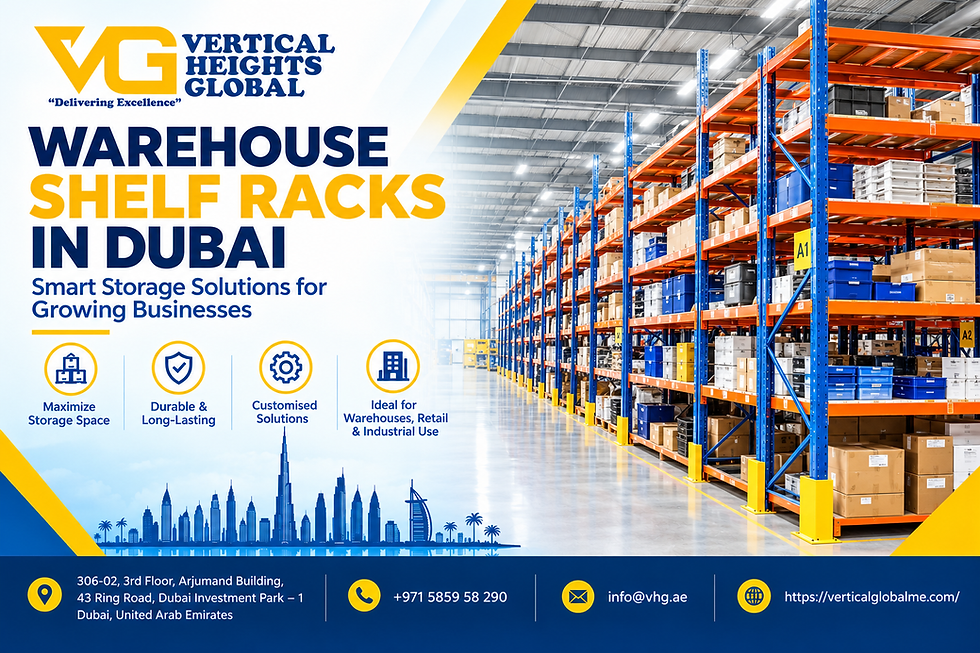
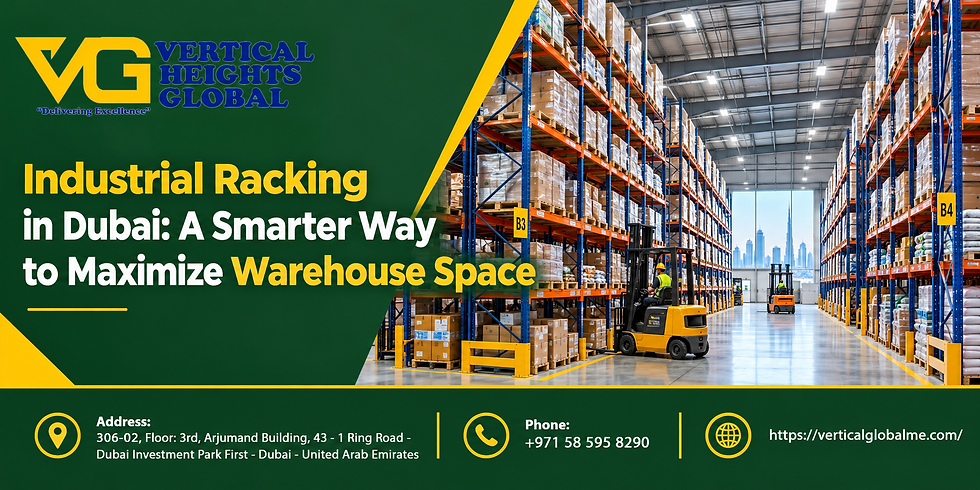
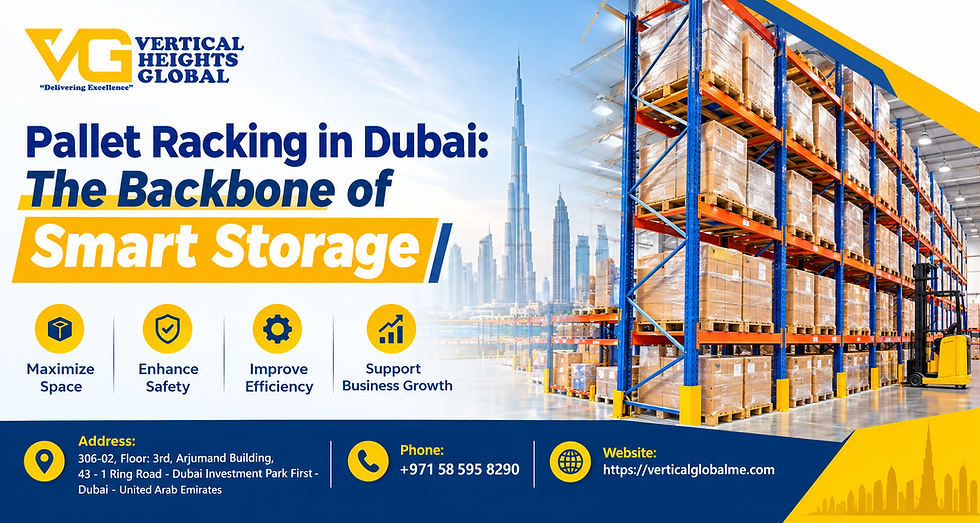
Storage racking refers to structural systems designed to hold, organize, and protect goods in a vertical arrangement rather than spreading them across the floor. Instead of stacking boxes haphazardly or using up valuable square footage horizontally, this approach allows businesses to build upward, making use of ceiling height that would otherwise go to waste.
The benefits go beyond just saving space. A well-planned storage racking system improves inventory visibility, speeds up picking and packing processes, reduces product damage, and creates a safer working environment for staff. When goods are properly racked and labeled, employees spend less time searching for items and more time fulfilling orders.
For growing businesses, the need for a reliable racking setup often comes hand in hand with expansion. As inventory grows, so does the need for a system that can scale without requiring a complete redesign of the facility every few years. Planning ahead for this growth early on can save significant time, money, and operational disruption down the line.
Common Types of Storage Racking Systems
Not all racking systems are built the same way, and understanding the different types helps businesses choose what fits their operation best.
Selective Pallet Racking is the most widely used type of racking, offering direct access to every pallet. It's ideal for warehouses with a wide variety of SKUs that need frequent picking.
Drive-In and Drive-Through Racking are designed for high-density storage, allowing forklifts to enter the racking structure itself. This type of setup works well for facilities storing large quantities of the same product.
Cantilever Racking supports long or irregularly shaped items such as pipes, timber, or steel bars — items that don't fit well on standard pallet racks.
Mezzanine Racking Systems add an entirely new floor level within an existing building, effectively doubling usable space without expanding the building's footprint.
Push-Back Racking uses a system of nested carts on rails, letting pallets be pushed back as new ones are loaded, which is great for medium-to-high density storage while maintaining some selectivity.
Each of these racking types serves a specific purpose, and many facilities use a combination of systems depending on the nature of their inventory.
The Growing Demand for Warehouse Racking in UAE
The UAE has become a major logistics and trade hub connecting the Middle East, Africa, and Asia. With this growth, the demand for warehouse racking in UAE has increased significantly. Businesses setting up operations in free zones, industrial areas, and logistics parks need racking systems that can handle high turnover, extreme temperatures, and long-term durability.
Warehouse racking in UAE isn't just about storage anymore — it's about supporting e-commerce fulfillment centers, cold storage facilities, and manufacturing units that all require different racking configurations. As online shopping continues to expand across the region, fulfillment warehouses need racking systems designed for fast-moving inventory, smaller SKU sizes, and efficient vertical space usage.
Companies investing in warehouse racking in UAE are also paying closer attention to compliance with local safety regulations, load capacity certifications, and seismic or wind-load considerations specific to the region's climate and building codes.
Why Storage Racking in Dubai Is in High Demand
Dubai, as one of the busiest trade and logistics centers in the world, sees constant demand for storage racking in Dubai across industries — from retail and pharmaceuticals to automotive parts and food distribution. The city's strategic location as a gateway between East and West means warehouses here often deal with high volumes of imported and exported goods that need to move quickly and efficiently.
Storage racking in Dubai has to account for several unique factors: high temperatures affecting certain goods, space constraints in prime logistics zones, and the need for rapid scalability as businesses grow. Many companies choose modular racking systems that can be adjusted or expanded without a complete overhaul, which is particularly useful in Dubai's fast-changing commercial landscape.
Businesses looking into storage racking in Dubai often compare pallet racking against mezzanine systems, weighing floor space costs against the investment required to build vertically. In a city where warehouse rental costs can be significant, maximizing vertical storage is often more cost-effective than expanding a facility's footprint.
What People Search For When Researching Storage Racking
Understanding what people actually search for helps clarify the real-world concerns businesses have when investing in racking systems. Some of the most common search patterns include:
"Storage racking near me" — businesses looking for local suppliers or installers rather than importing systems from overseas.
"Storage racking cost per pallet position" — a common budgeting question for warehouse managers trying to estimate expansion costs.
"Warehouse racking in UAE regulations" — companies wanting to ensure their racking systems meet local safety and structural codes.
"Storage racking installation near Dubai industrial areas" — businesses in specific logistics zones searching for nearby installation support.
"Best racking system for small warehouse" — smaller operations trying to figure out which system fits limited space.
"Storage racking for cold storage facilities" — a growing search category as more temperature-controlled warehouses are built.
"Racking inspection and safety audit" — facility managers researching compliance requirements and maintenance schedules.
"Mezzanine racking vs pallet racking" — a common comparison search for businesses deciding how to expand vertically.
These search patterns show that people aren't just looking for a product — they're looking for guidance on cost, safety, space planning, and long-term scalability.
How to Choose the Right Storage Racking System
Selecting the right racking system depends on several factors specific to each business:
1. Inventory Type and Size — Palletized goods, small parts, or long items each require a different racking configuration.
2. Warehouse Height and Layout — Ceiling height determines how much vertical racking can be installed, while column spacing affects aisle width and forklift access.
3. Picking Frequency — High-turnover items benefit from selective racking that allows direct access, while slow-moving bulk goods may suit high-density racking better.
4. Load Capacity Requirements — Every racking system has weight limits, and choosing a system that matches actual load requirements prevents costly structural failures.
5. Future Scalability — A good racking system should allow for expansion as the business grows, without requiring a full replacement.
6. Local Compliance — Especially relevant for storage racking in Dubai and across the wider UAE, where structural safety standards and fire codes must be followed carefully.
Working with an experienced racking provider familiar with the region — such as Vertical Heights Global in UAE, Dubai — can help businesses navigate these decisions with proper structural assessments and layout planning tailored to local warehouse conditions.
Cost Factors and Long-Term Value
Cost is often the first question business owners ask, but it's important to look beyond the upfront price tag. The cheapest racking system isn't always the most cost-effective choice once you factor in durability, maintenance, and the ability to scale as your business grows.
For companies researching warehouse racking in UAE, prices typically depend on the type of steel used, load capacity, height, and whether the system requires custom engineering for irregular spaces. Standard selective pallet racking tends to be more affordable per pallet position compared to specialized systems like cantilever or mezzanine racking, but the right choice always comes down to what the inventory actually requires.
It's also worth considering installation and after-sales support. A racking supplier that offers on-site assessments, structural drawings, and ongoing maintenance packages often provides better long-term value than one offering only the lowest quote. Businesses evaluating storage racking in Dubai frequently find that investing slightly more upfront in a properly engineered system reduces costly downtime, replacement, or safety incidents later on.
Safety Considerations for Storage Racking
Safety should never be an afterthought when it comes to storage racking. Overloaded racks, poor installation, or lack of regular inspection are among the leading causes of warehouse accidents. Businesses should schedule routine inspections, train staff on proper loading procedures, and ensure racking is anchored correctly to the floor.
Damage from forklift collisions is another common issue. Protective guards, clear aisle markings, and proper staff training can significantly reduce the risk of structural damage over time. A damaged racking frame, even if it looks minor, can compromise the entire system's load-bearing capacity.
Regular audits — checking for bent beams, loose bolts, or rust — should be part of every warehouse's maintenance schedule. This is especially important for facilities operating warehouse racking in UAE, where extreme heat and humidity can accelerate wear on certain materials over time.
Conclusion
Storage racking is far more than a simple storage solution — it's a core part of warehouse efficiency, safety, and long-term scalability. As demand grows across the region, warehouse racking in UAE and storage racking in Dubai continue to evolve to meet the needs of fast-paced logistics, e-commerce fulfillment, and industrial storage.
Choosing the right system means understanding your inventory, planning for growth, and prioritizing safety at every stage. Whether you're setting up a new facility or upgrading an existing one, working with experienced providers familiar with regional requirements — such as Vertical Heights Global in UAE, Dubai — can help ensure your storage racking investment pays off for years to come.
FAQs About Storage Racking
1. What is storage racking used for?
Storage racking is used to organize, store, and protect goods vertically within a warehouse or storage facility. It maximizes available space, improves inventory accessibility, and supports efficient picking and packing operations.
2. What are the different types of storage racking systems?
Common types include selective pallet racking, drive-in racking, cantilever racking, mezzanine racking, and push-back racking. Each type is designed for specific inventory types and storage density needs.
3. How do I choose the right racking system for my warehouse?
The right system depends on inventory type, warehouse height, picking frequency, load requirements, and future growth plans. A structural assessment from an experienced provider can help match the racking system to your specific needs.
4. What is the standard height of warehouse racking?
Standard racking heights vary widely, typically ranging from 2 meters for smaller units to over 12 meters for high-bay warehouses, depending on ceiling clearance and forklift or automated equipment capabilities.
5. How much weight can storage racking hold?
Load capacity depends on the racking type, beam size, and upright design. Selective pallet racking commonly supports anywhere from 500 kg to over 3,000 kg per pallet position, though heavy-duty systems can hold significantly more.
6. What is the difference between racking and shelving?
Racking is typically designed for palletized, heavier loads and larger warehouse operations, while shelving is generally used for smaller items, manual handling, and lighter storage needs such as retail stockrooms.
7. How much does warehouse racking cost in the UAE?
Costs vary depending on racking type, material, height, and installation complexity. Businesses researching warehouse racking in UAE often request a site assessment to get an accurate quote based on their specific layout and load requirements.
8. What safety standards apply to storage racking systems?
Storage racking systems must comply with structural load codes, seismic and wind-load considerations where applicable, and regular inspection protocols. Local regulations, especially for storage racking in Dubai, often require certified installation and periodic safety audits.
Comments